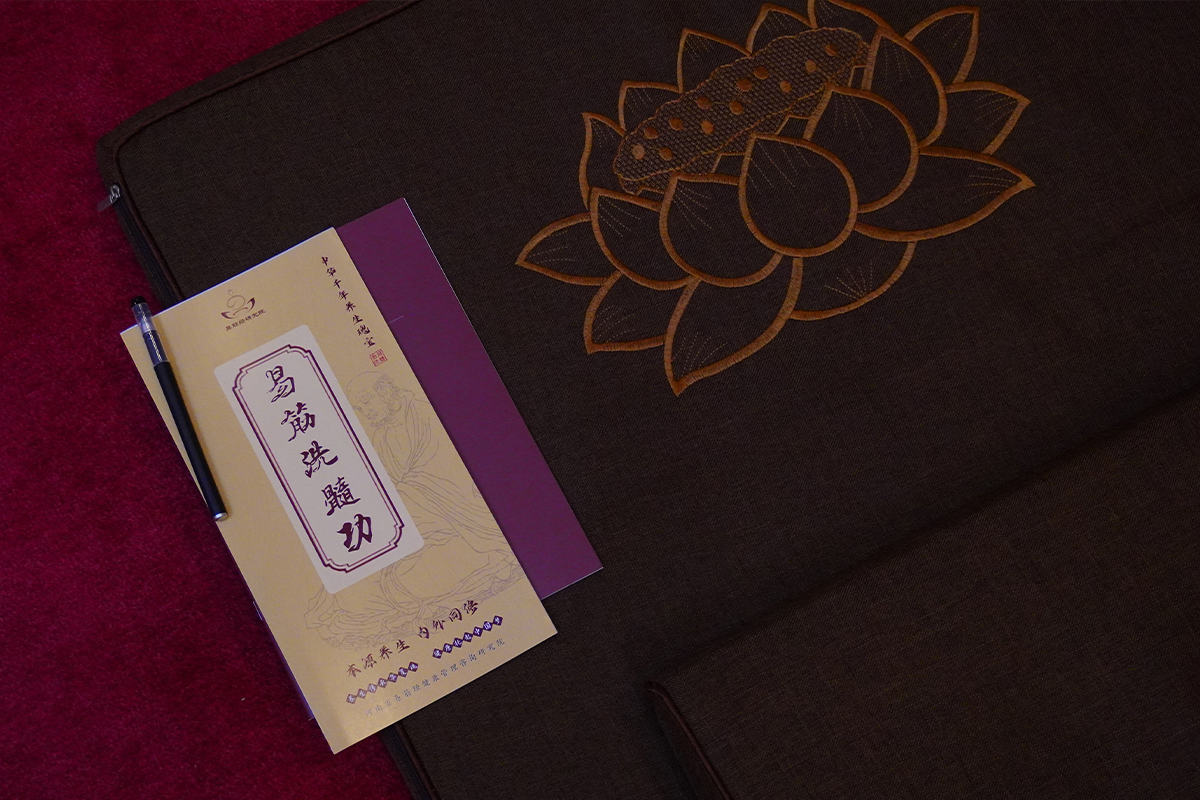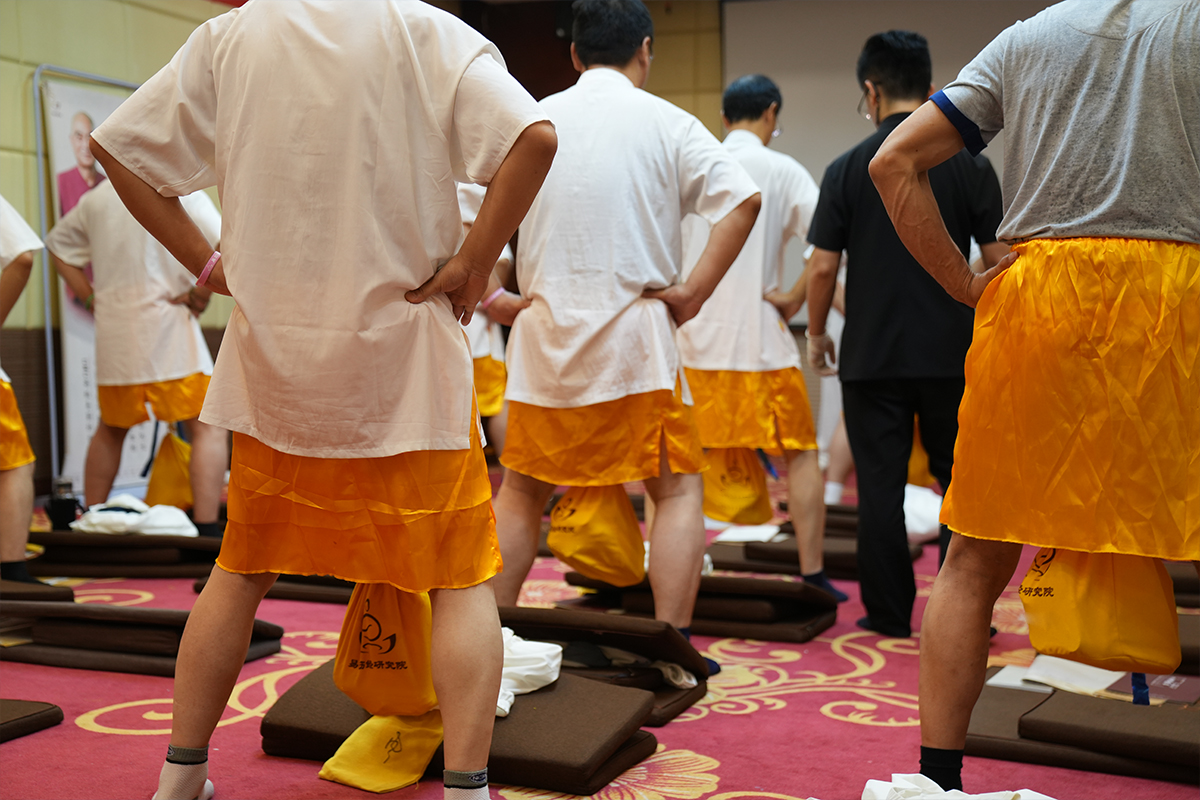
Breathing is something we do every day. It seems simple, but there are actually many practical health benefits involved. You don't need to make a special effort to find time; simply changing your breathing method—practicing abdominal breathing—can help improve lung function, reduce colds, promote better sleep, and boost immunity. These health benefits are real and tangible.
Improved lung function and a cleaner respiratory tract.
Normally, our breathing is quite shallow, and many alveoli are not used at all. But deep breathing is different: taking a deep breath and then slowly exhaling allows you to inhale more oxygen and expel more waste gases, essentially giving your lungs a "deep clean." Furthermore, deep breathing engages the respiratory muscles, helping to expel dust and impurities accumulated at the bottom of the lungs. A cleaner respiratory tract naturally reduces the likelihood of developing coughs and asthma.
Feeling relaxed, less anxious and tense?
Whether you're under a lot of work pressure or encountering troubles, try taking a deep breath and then slowly exhaling. Don't you immediately feel "much more comfortable"? This is the magic of deep breathing—it can quickly relieve tension and relax your tense body and mind, which is much more effective than trying to tough it out.
From a Traditional Chinese Medicine perspective: Nourishing Vital Energy and Soothing the Liver and Spleen
In Traditional Chinese Medicine, the fresh air we breathe in, combined with the nutrients from the food we eat, becomes "Vital Energy," which is crucial for maintaining respiration and heartbeat. Deep breathing allows us to inhale more fresh air, thus increasing Vital Energy and boosting energy. Furthermore, deep breathing can regulate the spleen and stomach, improving digestion and benefiting the whole body.
There are two types of breathing: chest breathing, where only the chest rises and falls; and abdominal breathing, where the abdomen expands and contracts. Try it and you'll see that abdominal breathing is far more effective than chest breathing. Keep practicing, and these benefits will gradually come your way.
Switching to diaphragmatic breathing brings numerous health benefits:
Sleep Better: Having trouble falling asleep or waking up easily at night? Practice diaphragmatic breathing for a few minutes before bed. Your body will relax, your mind will clear, and you'll fall asleep quickly and sleep soundly until morning.
Improved Blood Circulation: Diaphragmatic breathing allows for better oxygen intake. This oxygen travels throughout the body via the bloodstream, promoting metabolism, making all organs more energetic, and leaving you looking more refreshed.
Smoother Skin: Traditional Chinese medicine says, "The lungs govern the skin and hair." Good lung function nourishes the skin. Practicing abdominal breathing nourishes lung qi, gradually leading to smoother, more radiant skin and smaller pores—more effective than face masks.
Gradually Improved Weight: During abdominal breathing, the abdomen expands and contracts, exercising the abdominal muscles and burning excess calories, thus promoting metabolism. Without strict dieting or exercise, consistent practice helps manage weight and improves waistline and abdominal definition.
Key Points: Abdominal breathing involves inhaling through the nose and exhaling through the mouth. Inhale by expanding the abdomen, exhale by relaxing.
Inhalation: Intentionally expand the abdomen, lowering the diaphragm to allow more air into the chest cavity, increasing oxygen intake.
Exhalation: Gently press the abdomen to raise the diaphragm, coordinating with the respiratory muscles to expel waste gas as much as possible.
Abdominal breathing offers greater depth and efficiency in gas exchange than chest breathing, better training respiratory function.
Book a professional Yi Jin Jing instructor to begin your journey to stronger muscles and bones, improved blood circulation, inner peace, and a better life.
Start your Yi Jin Jing journey now!
.svg)









Our Shaolin Yi Jin Jing instruction provides you with authentic lineage and professional health support.
Our Social Links


Copyright 2026| Power by Shaolintonifying